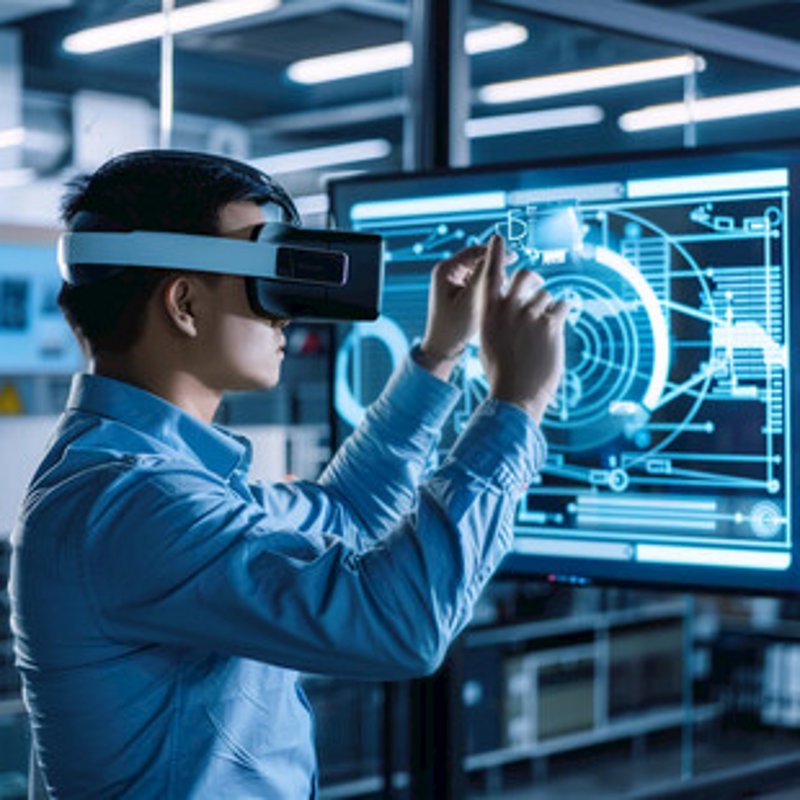
As the world becomes increasingly interconnected, businesses and organizations are seeking innovative ways to engage international audiences. One effective approach is through interactive exhibitions that can be easily accessed from anywhere around the globe. This article will explore why interactive exhibits in English are essential for reaching a wider audience and discuss how such displays can be created using VR technology.
Firstly, let’s understand the significance of creating interactive exhibits in English. With over 1.5 billion people speaking English worldwide, it serves as a universal language that breaks down communication barriers. By offering your exhibition content in this widely spoken language, you can attract more visitors from diverse linguistic backgrounds and cultures.
Advantages of Interactive Exhibits
Engagement: Interactive exhibits allow users to engage with the content through various digital tools. This hands-on approach enhances user experience and retention, making the learning process more enjoyable.
Accessibility: Digital platforms enable visitors to access these exhibits at any time and from anywhere in the world, breaking geographical limitations.
Secondly, integrating VR technology into your interactive exhibitions offers additional benefits. Virtual Reality can transport users directly into the heart of the exhibition, providing a more immersive experience than traditional static displays. This technology also supports multilingual capabilities, allowing for seamless translation and localization to cater to different regions.
Creating Interactive Exhibits with VR Technology
Selecting the right VR platform: Choose a VR solution that offers robust content creation tools and supports multiple languages. Popular options include Unity, Unreal Engine, and Vuforia.
Designing user-friendly interfaces: Ensure your exhibit’s navigation is intuitive and accessible to users of all ages and technological backgrounds.
Incorporating interactive elements: Use quizzes, games, or simulations to make the exhibition more engaging. These elements can help reinforce key messages and keep visitors interested throughout their visit.
Lastly, testing and refining your VR exhibit is crucial before launching it globally. Conduct user tests with a diverse group of participants to gather feedback on usability and content effectiveness. Use this information to make necessary adjustments and improvements, ensuring the final product meets both technical and audience expectations.
In conclusion, creating interactive exhibits in English using VR technology can significantly enhance your ability to reach international audiences effectively. By providing engaging, accessible, and immersive experiences, you can create memorable impressions that resonate with visitors from around the globe.