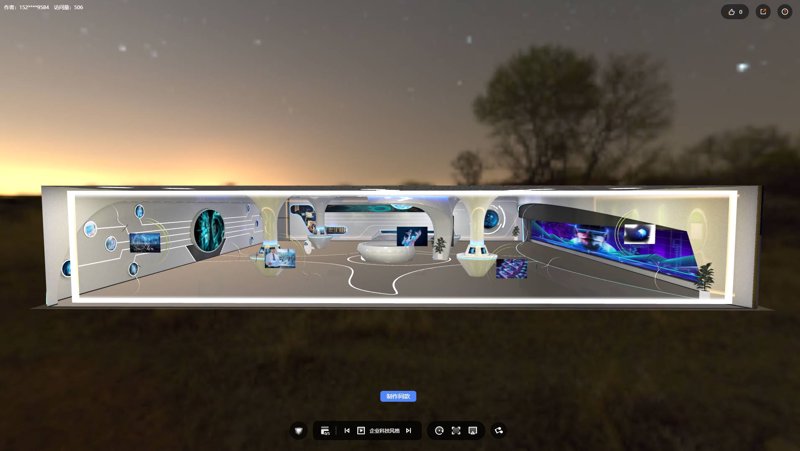
When creating interactive displays for your exhibition or event, ensuring that the content is accessible and engaging to a global audience is crucial. This article will guide you through the process of designing and implementing an effective interactive display using English.
1. Understanding Your Audience
To create an interactive display in English, it's essential to understand your target audience. Are they native English speakers or non-native ones? The level of language complexity should be adjusted according to the audience's proficiency in English.
2. Choosing Content and Interactive Elements
Select content that is both informative and engaging for your audience. Consider incorporating interactive elements such as quizzes, polls, and games to increase engagement. For example, a virtual reality (VR) experience can be highly effective in demonstrating complex concepts.
3. Designing the Layout
The layout of your display should be intuitive and user-friendly. Use clear navigation and ensure that all interactive elements are easily accessible. For instance, placing buttons or icons strategically around the display area can help guide users through the content seamlessly.
4. Testing the Display
Before launching your interactive display, conduct thorough testing to ensure it works smoothly in different environments and with various devices. This step is crucial for identifying any technical issues that might arise during the exhibition or event.
5. Post-Event Evaluation
After the event, gather feedback from attendees to understand their experience and identify areas for improvement. Use this information to refine future displays and enhance user engagement further.
By following these steps, you can create an engaging and effective interactive display in English that resonates with your global audience.